# FastAPI
FastAPI 是一个用于构建 Web 应用的 Python 框架。
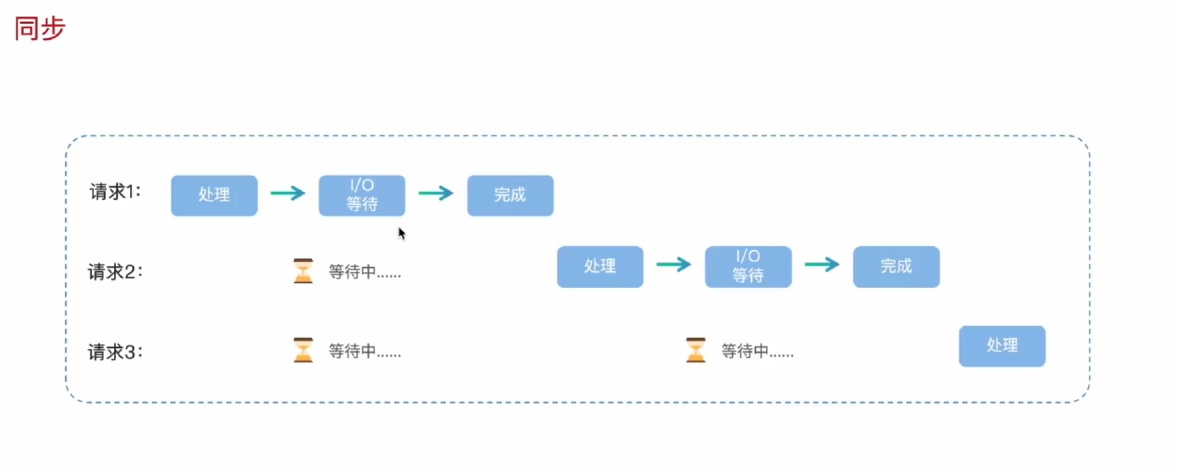
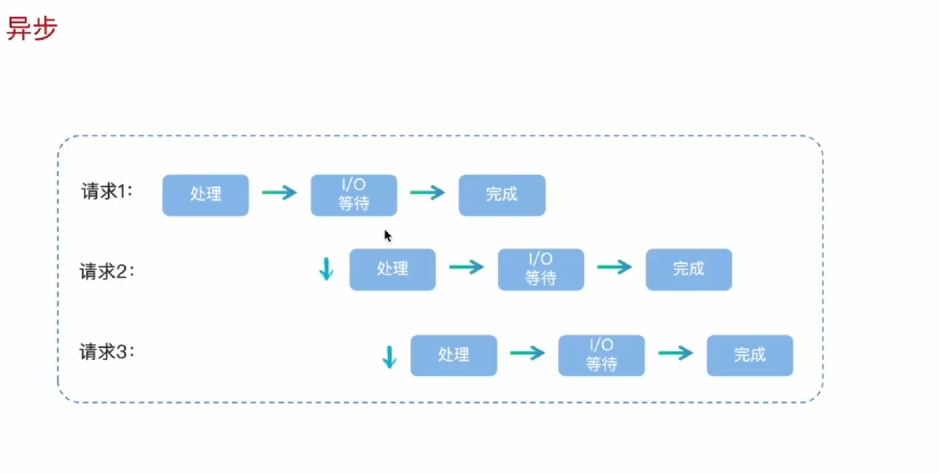
# 天生非阻塞
![1]()
![1]()
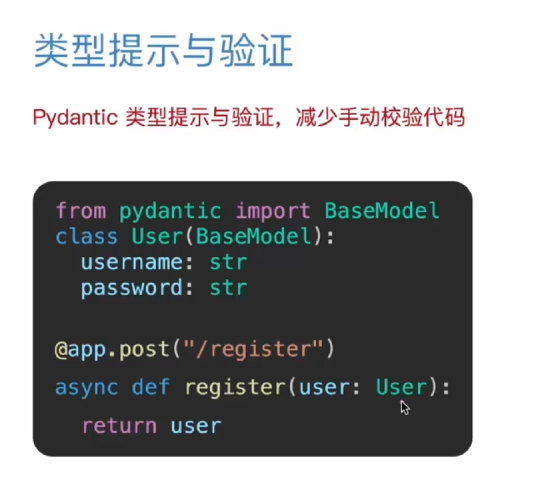
# 类型提示与验证
![1]()
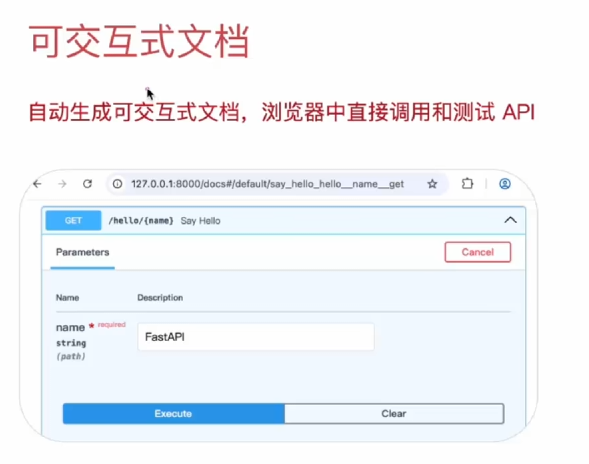
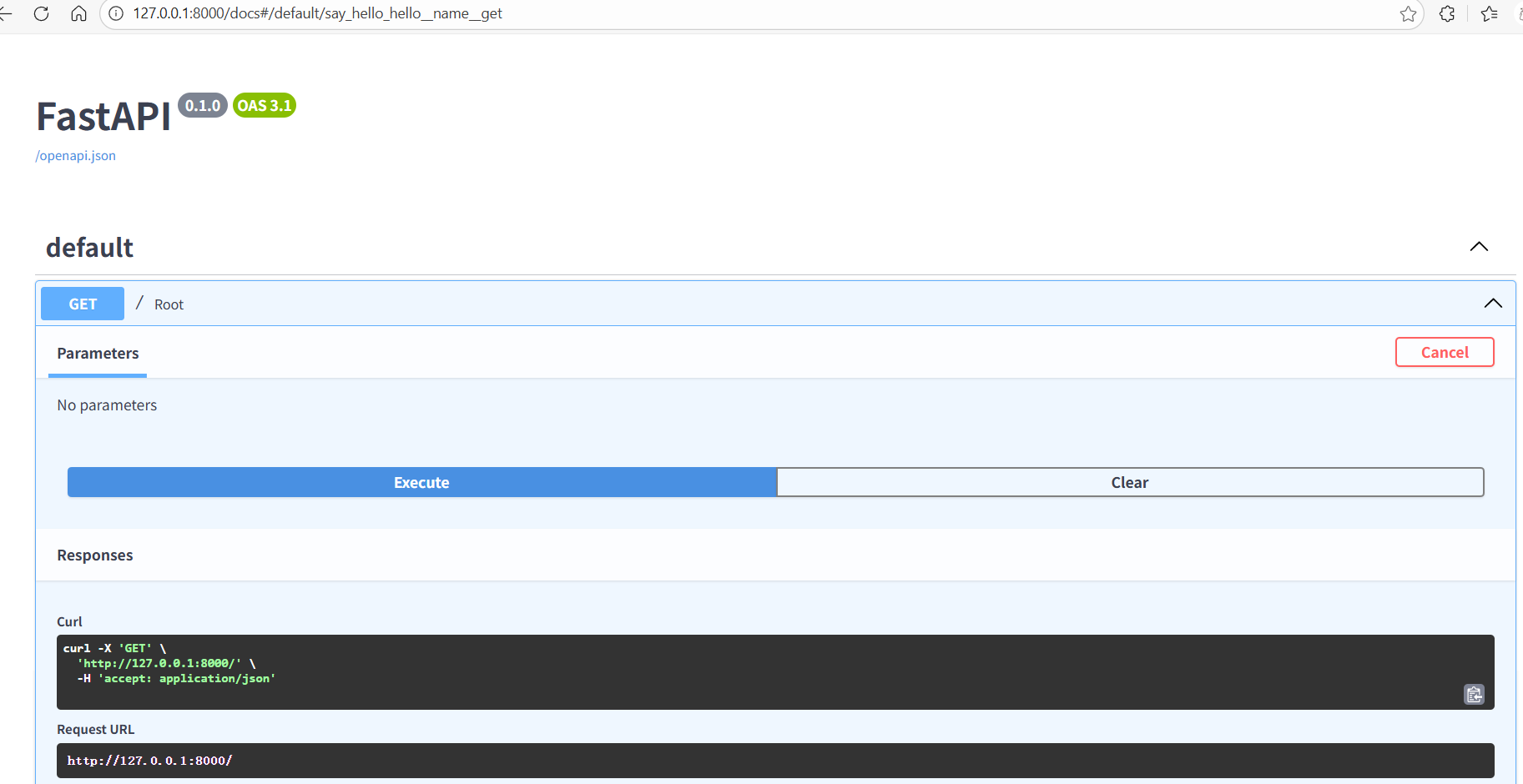
# 自带交互式文档
![1]()
# 快速开始
| from fastapi import FastAPI |
| |
| |
| app = FastAPI() |
| |
| |
| @app.get("/") |
| async def root(): |
| return {"message": "Hello World"} |
| |
| |
| @app.get("/hello/{name}") |
| async def say_hello(name: str): |
| return {"message": f"Hello {name}"} |
# 启动命令
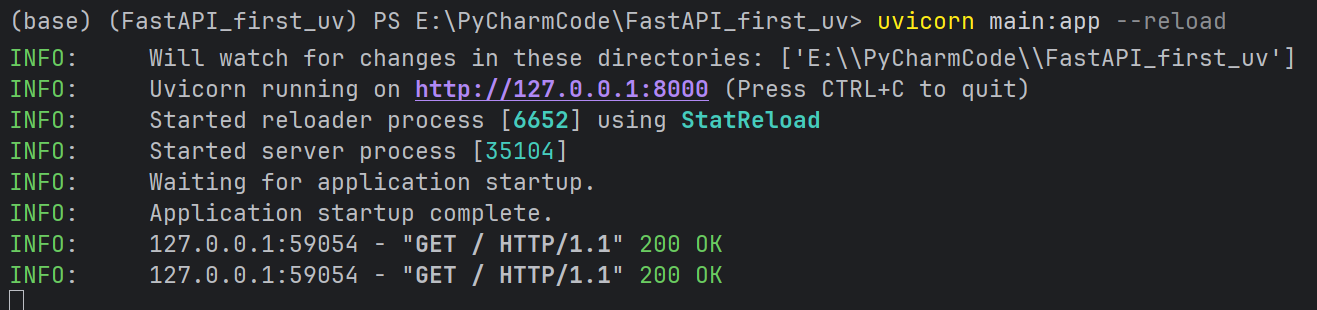
| uvicorn main:app --reload |
uvicorn? uvicorn 是一个高性能的 Python ASGI Web 服务器,专门用来运行 FastAPI / Starlette / Django ASGI 这类现代 Web 框架。
–reload?支持热部署。
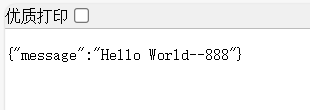
# 结果
![1]()
![1]()
![1]()
# Python 装饰器
在不改原函数代码的情况下,给函数外挂一层功能。
# Java 注解本身只是个标签
| @GetMapping("/hello") |
| public String hello() { |
| return "hi"; |
| } |
@GetMapping 本身不拦截,不执行,不改方法,真正干活的是 Spring 框架 + 反射 + AOP
# Python 装饰器是可执行的
| def log(func): |
| def wrapper(*args, **kwargs): |
| print("before") |
| return func(*args, **kwargs) |
| return wrapper |
| |
| @log |
| def hello(): |
| print("hi") |
等价于:
这里已经执行代码了
# 路由
| @app.get("/hello/") |
| async def say_hello(): |
| return {"message": "Hello World 这是默输出"} |
这是一个 get 方法,通过 @app.get 装饰。
# 接口的动态交互
路径参数写在 URL 路径里,用来标识具体资源
查询参数写在 URL ? 后面,用来筛选 / 附加条件
请求体参数放在请求体中,用来提交复杂数据
# 路径参数
| @app.get("/book/{id}") |
| async def getBook(id: int): |
| return { |
| "id": id, |
| "title": f"FastAPI book-{id}" |
| } |
# 校验 —— 大小校验与长度校验
| @app.get("/book/{id}") |
| async def getBook(id: int = Path(description="The ID of the book to get", gt=0, lt=1000)): |
| return { |
| "id": id, |
| "title": f"FastAPI book-{id}" |
| } |
| @app.get("/classify/{name}") |
| async def classify(name: str=Path(title="classify", min_length=3, max_length=10)): |
| return { |
| "name": name, |
| "class": "FastAPI" |
| } |
# 查询参数
| @app.get("/query_book") |
| async def query_book( |
| classify: str = Query("默认分类", min_length=2, max_length=255), |
| price: float = Query(10.0, gt=50.0, le=100.0)): |
| return { |
| "classify": classify, |
| "price": price |
| } |
# 请求体参数
使用 pydantic。
| from pydantic import BaseModel |
| class User(BaseModel): |
| username: str |
| password: str |
| |
| @app.post("/register") |
| async def register(user: User): |
| return user |
| |
| class Book(BaseModel): |
| title: str |
| author: str |
| publisher: str |
| price: float |
| |
| @app.post("/book/add") |
| async def add_book(book: Book): |
| return book |
请求体参数的约束:
| class User(BaseModel): |
| username: str = Field(default="默认用户名", min_length=2, max_length=10, description="用户名") |
| password: str = Field(default="默认密码", min_length=6, max_length=20, description="密码") |
| |
| |
| @app.post("/register") |
| async def register(user: User): |
| return user |
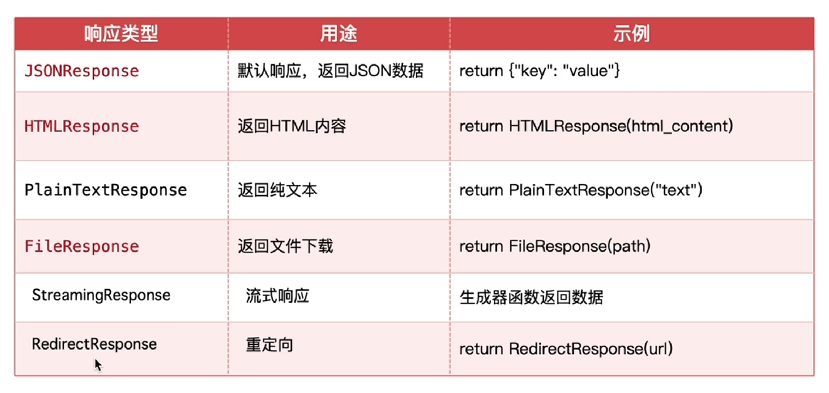
# 响应类型
通过 response_class 指定
![1]()
# JSON
这个你返回一个字典对象的时候,FastAPI 就自动帮你做好转换了。
# HTML / 纯文本
| @app.get("/html",response_class=HTMLResponse) |
| async def html(): |
| return """ |
| <html> |
| <head> |
| <title>FastAPI</title> |
| </head> |
| <body> |
| <h1>Hello World</h1> |
| </body> |
| </html> |
| """ |
# File 文件
| @app.get("/file") |
| async def file(): |
| path = "./files/dd.txt" |
| return FileResponse(path) |
# 自定义响应类型
| class R(BaseModel): |
| code: int |
| msg: str |
| data: dict = Field(default={}, description="返回数据") |
| |
| |
| @app.get("/api", response_model=R) |
| async def api(): |
| return { |
| "code": 200, |
| "msg": "success", |
| "data": { |
| "name": "KarryLiu", |
| "age": 18 |
| }, |
| } |
当你缺失数据时会报错,当你数据超出约定时会自动过滤掉。
# 异常处理
| @app.get("/api/news", response_model=R) |
| async def api_news(id: int = Query(1, gt=0, lt=1000)): |
| news_list = [1, 2, 3] |
| if id not in news_list: |
| raise HTTPException(status_code=404, detail="新闻不存在") |
| return { |
| "code": 200, |
| "msg": "success", |
| "data": { |
| "id": id, |
| "title": f"新闻标题-{id}", |
| "content": f"新闻内容-{id}" |
| }, |
| } |
# 中间件
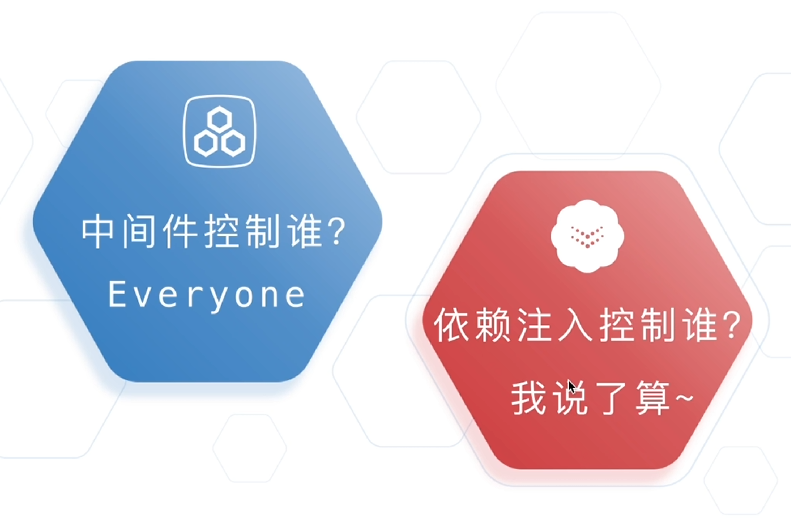
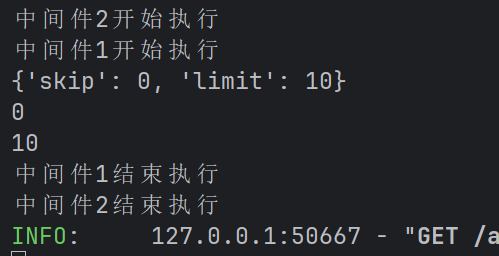
中间件给每一个请求提供统一的处理逻辑。使用 @app.middleware("http") 来定义。多个中间件是自底向上执行的
| @app.middleware("http") |
| async def middleware1(request, call_next): |
| print("中间件1开始执行") |
| response = await call_next(request) |
| print("中间件1结束执行") |
| return response |
| |
| |
| @app.middleware("http") |
| async def middleware2(request, call_next): |
| print("中间件2开始执行") |
| response = await call_next(request) |
| print("中间件2结束执行") |
| return response |
| |
| |
| @app.get("/api/mid") |
| async def api_mid(): |
| return { |
| "code": 200, |
| "msg": "success", |
| "data": { |
| "name": "KarryLiu", |
| "age": 18 |
| }, |
| } |
![1]()
居然是自底向上执行的
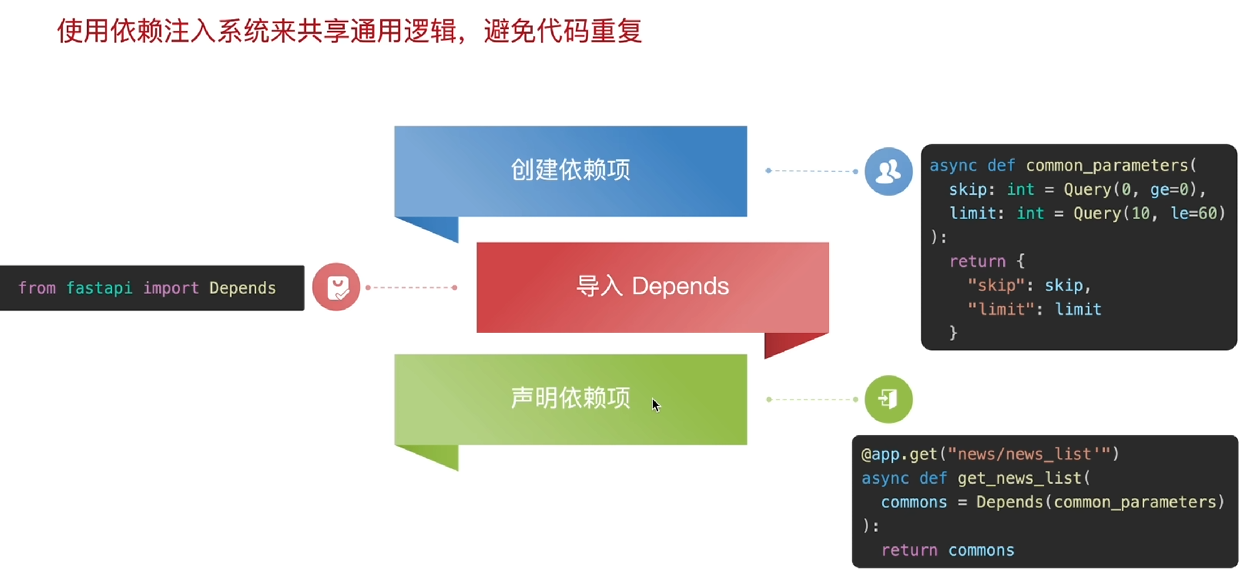
# 依赖注入
![1]()
![1]()
| async def common_parameters(skip: int = 0, limit: int = 10): |
| return {"skip": skip, "limit": limit} |
| |
| |
| @app.get("/api/news_list") |
| async def get_news_list(commons=Depends(common_parameters)): |
| return {"msg": "news_list"} |
| |
| |
| @app.get("api/user_list") |
| async def get_user_list(commons=Depends(common_parameters)): |
| return {"msg": "user_list"} |
common_parameters 里 return {"skip": skip, "limit": limit} 返回值不会直接返回给客户端, 而是 作为参数值,传给 get_news_list 里的 commons 变量。我们可以打印一下:
| @app.get("/api/news_list") |
| async def get_news_list(commons=Depends(common_parameters)): |
| print(commons) |
| print(commons["skip"]) |
| print(commons["limit"]) |
| return {"msg": "news_list |
![1]()
# ORM 工具 ——SQLAlchemy
# 安装 sqlalchemy [asyncio] 和 aiomysql
| pip install sqlalchemy[asyncio] aiomysql |
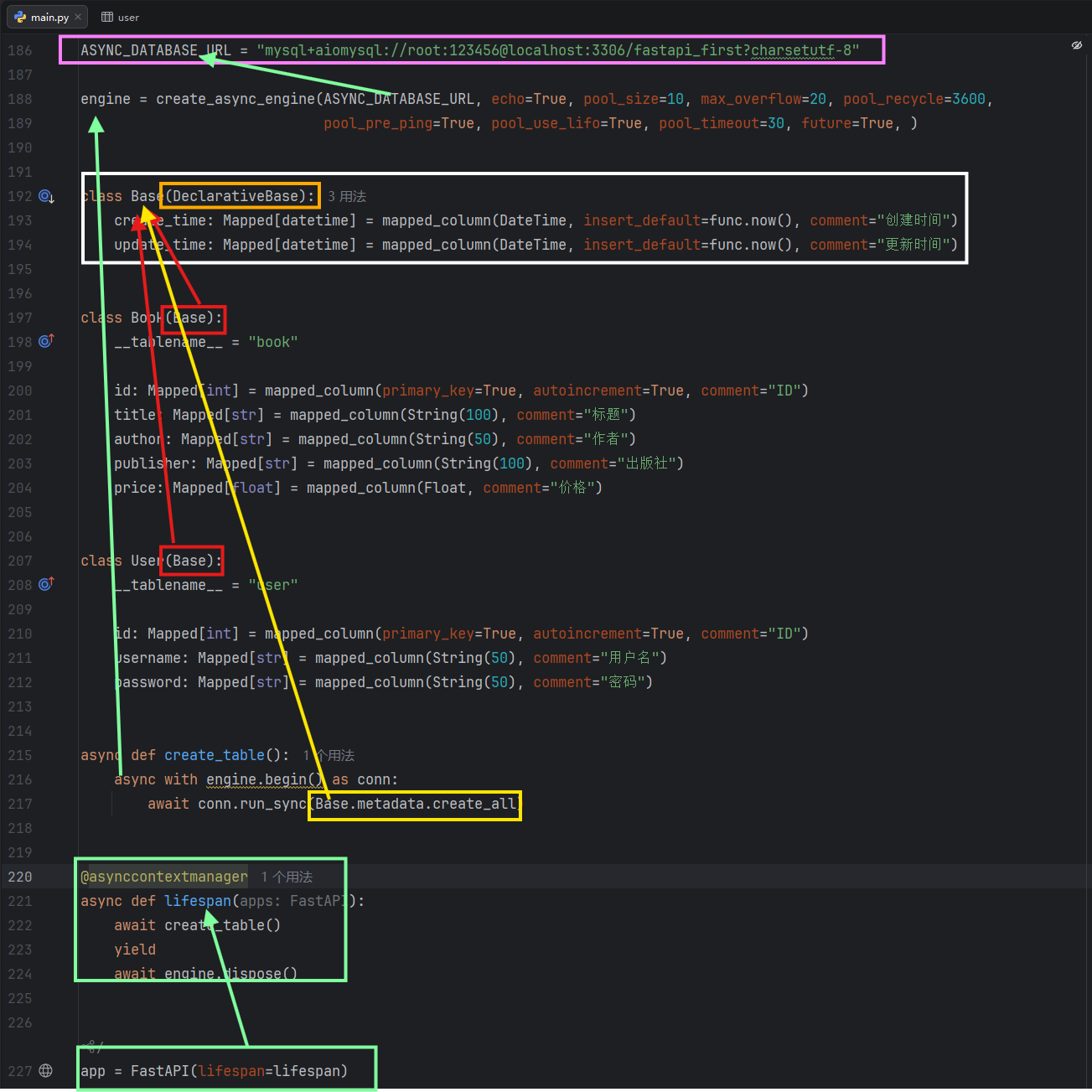
# 自动建表
| ASYNC_DATABASE_URL = "mysql+aiomysql://root:123456@localhost:3306/fastapi_first?charsetutf-8" |
| |
| engine = create_async_engine(ASYNC_DATABASE_URL, echo=True, pool_size=10, max_overflow=20, pool_recycle=3600, |
| pool_pre_ping=True, pool_use_lifo=True, pool_timeout=30, future=True, ) |
| |
| |
| class Base(DeclarativeBase): |
| create_time: Mapped[datetime] = mapped_column(DateTime, insert_default=func.now(), comment="创建时间") |
| update_time: Mapped[datetime] = mapped_column(DateTime, insert_default=func.now(), comment="更新时间") |
| |
| |
| class Book(Base): |
| __tablename__ = "book" |
| |
| id: Mapped[int] = mapped_column(primary_key=True, autoincrement=True, comment="ID") |
| title: Mapped[str] = mapped_column(String(100), comment="标题") |
| author: Mapped[str] = mapped_column(String(50), comment="作者") |
| publisher: Mapped[str] = mapped_column(String(100), comment="出版社") |
| price: Mapped[float] = mapped_column(Float, comment="价格") |
| |
| |
| class User(Base): |
| __tablename__ = "user" |
| |
| id: Mapped[int] = mapped_column(primary_key=True, autoincrement=True, comment="ID") |
| username: Mapped[str] = mapped_column(String(50), comment="用户名") |
| password: Mapped[str] = mapped_column(String(50), comment="密码") |
| |
| |
| async def create_table(): |
| async with engine.begin() as conn: |
| await conn.run_sync(Base.metadata.create_all) |
| |
| |
| @asynccontextmanager |
| async def lifespan(apps: FastAPI): |
| await create_table() |
| yield |
| await engine.dispose() |
| |
| |
| app = FastAPI(lifespan=lifespan) |
![1]()
# ORM 依赖注入与数据查询
| AsyncSessionLocal = async_sessionmaker( |
| engine, |
| class_=AsyncSession, |
| expire_on_commit=False, |
| ) |
| |
| |
| async def get_database(): |
| async with AsyncSessionLocal() as session: |
| try: |
| yield session |
| await session.commit() |
| except Exception as e: |
| await session.rollback() |
| raise |
| finally: |
| await session.close() |
| |
| |
| @app.get("/book/books") |
| async def get_books(session: AsyncSession = Depends(get_database)): |
| query = select(Book) |
| result = await session.execute(query) |
| books = result.scalars().all() |
| print(books) |
| return books |
![1]()
# 查询
# 比较判断
==;>;<;>=;<=
| @app.get("/book/book/{id}") |
| async def get_book(id: int, session: AsyncSession = Depends(get_database)): |
| query = select(Book).where(Book.id == id) |
| result = await session.execute(query) |
| book = result.scalars().first() |
| return book |
| @app.get("/book/book/{id}") |
| async def get_book(id: int, session: AsyncSession = Depends(get_database)): |
| query = select(Book).where(Book.id == id) |
| result = await session.execute(query) |
| book = result.scalars().one_or_none() |
| return book |
# 模糊查询
| @app.get("/book/like") |
| async def get_like_book(title: str, session: AsyncSession = Depends(get_database)): |
| query = select(Book).where(Book.title.like(f"%{title}%")) |
| result = await session.execute(query) |
| book = result.scalars().all() |
| return book |
![1]()
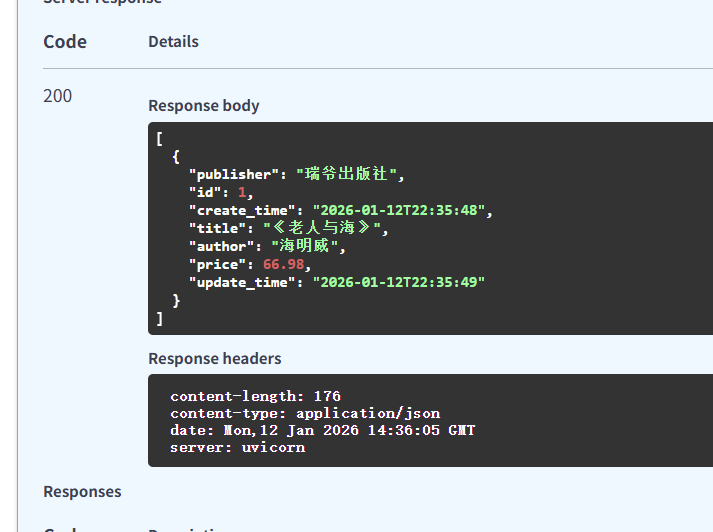
# 取首条数据
| @app.get("/book/first") |
| async def get_first_book(session: AsyncSession = Depends(get_database)): |
| query = select(Book) |
| result = await session.execute(query) |
| book = result.scalars().first() |
| return book |
# 多条件
| @app.get("/book/like_start") |
| async def get_like_start_book(title: str, session: AsyncSession = Depends(get_database)): |
| query = select(Book).where(Book.title.like(f"{title}%")).where(Book.id == 2) |
| result = await session.execute(query) |
| book = result.scalars().all() |
| return book |
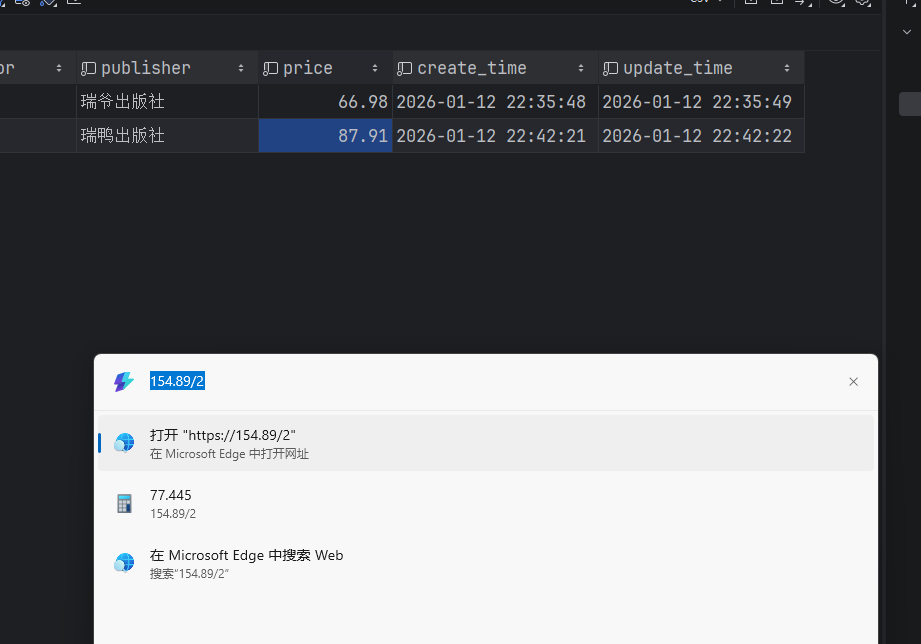
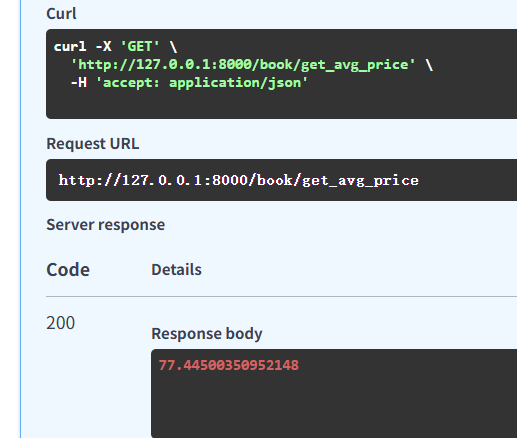
# 聚合查询
func——count / avg / max / min / sum
| @app.get("/book/get_avg_price") |
| async def get_avg_price(session: AsyncSession = Depends(get_database)): |
| query = select(func.avg(Book.price)) |
| result = await session.execute(query) |
| avg_price = result.scalars().one() |
| return avg_price |
![1]()
![1]()